
04 June 2026
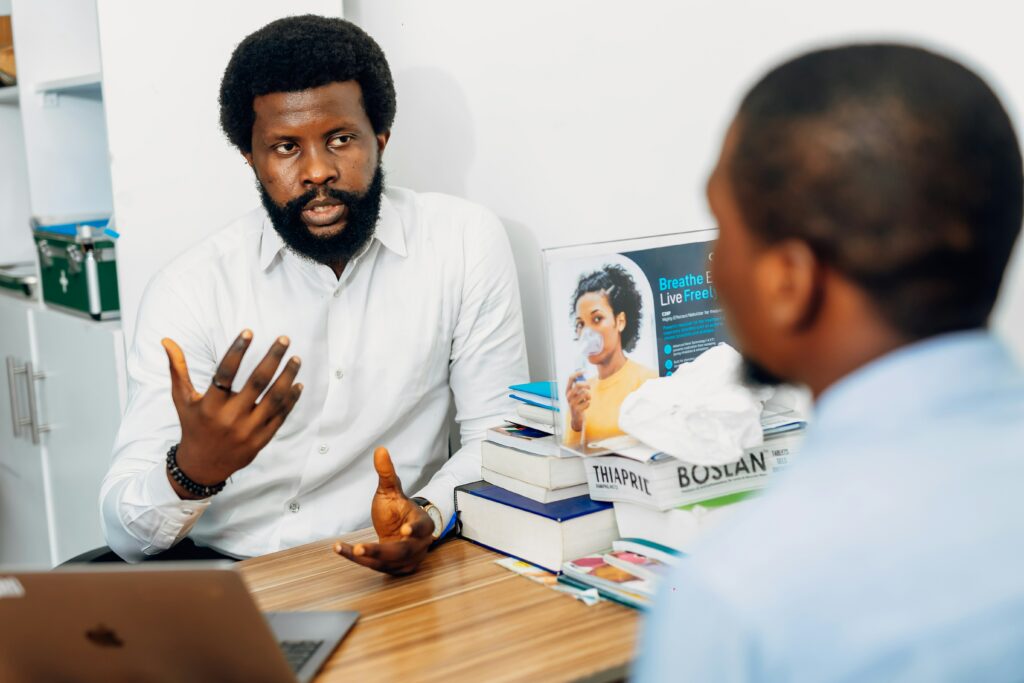
On the occasion of LISKO’s 10th anniversary, we met Thomas, a social worker in the service since 2017. Having been there almost since the beginning, he reflects on LISKO’s evolution, the challenges faced over the years, and his commitment to supporting the most vulnerable refugees.
Can you tell us about the early days of the service and the context in which it was created?
“Following the massive influx of refugees from Syria in 2015, the Luxembourg Red Cross created LISKO in April 2016, at the initiative of the Ministry of Family Affairs, to support the country’s Social Offices, which were overwhelmed by the growing number of beneficiaries of international and subsidiary protection.
With the arrival of intercultural interpreters in 2017, we became a specialised service focused on guiding and supporting these populations, taking into account their cultural specificities. At that time, any person granted refugee status could directly contact our service for social support. The team quickly became overloaded with cases, and by 2020 LISKO had reached its capacity in terms of staff, no longer able to accept new beneficiaries.
Following a decision by the Ministry of Family Affairs in 2022, Social Offices once again became responsible for the social support of refugees. Only in cases of need, and based on four defined vulnerability criteria that are still in use today, can Social Offices request the opening of a case with LISKO.”

“Over the years, LISKO has developed numerous projects, such as information workshops, the integration of a psychologist in 2018, and the training programme ‘In the Shoes of a Refugee’ in 2019. Since 2022, the service has also been supporting people arriving from Ukraine and has focused its work on the most vulnerable beneficiaries, with more in-depth follow-up. In 2025, the REVEIL project further strengthened its commitment to interculturality and the fight against discrimination.”
“Working with refugees has interested me from the very beginning. I am in daily contact with very different profiles of people facing a wide range of issues. It is far from monotonous! I value working with interpreters, who help us better understand cultural specificities. I keep up to date with geopolitical news, as developments in our beneficiaries’ countries of origin have a strong impact on them. It is very intellectually stimulating. Our service now has real expertise in the field of migration and plays an important role in the Luxembourg social landscape. We respond to a real need; we are here for people who have lost their bearings in Luxembourg. Our support helps them progress in their integration journey or, at the very least, stay on track.”