23 November 2026
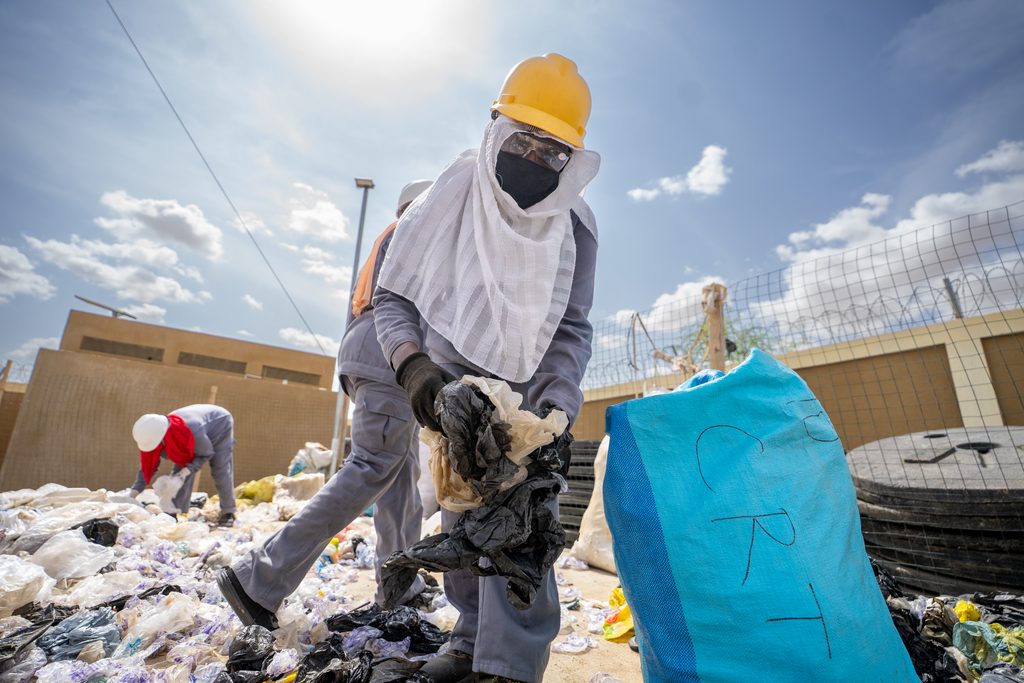
In Abéché, eastern Chad, a used plastic bottle is not necessarily destined to end up in a landfill or abandoned on the streets. Once collected, it can begin a very different journey: it can be sorted, processed and transformed into part of a latrine slab.
This is the vision behind the Waste Treatment and Recovery Unit (UTVD), established by the Red Cross Society of Chad and the Luxembourg Red Cross International Aid. Beyond recycling, the initiative pursues a broader ambition: addressing several of the challenges faced by communities in eastern Chad at the same time.
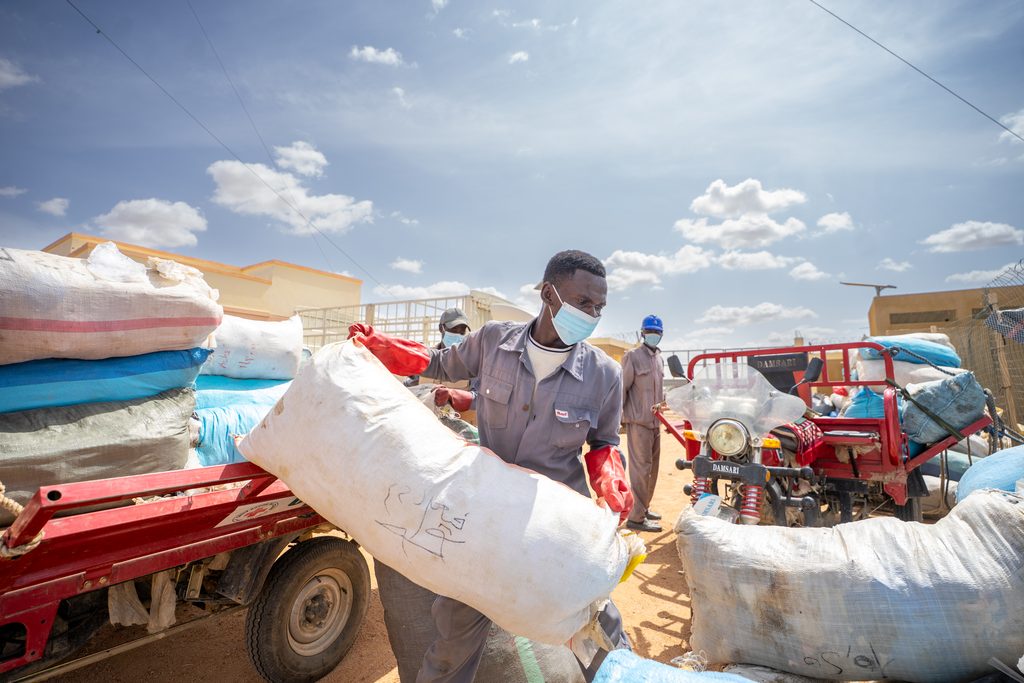
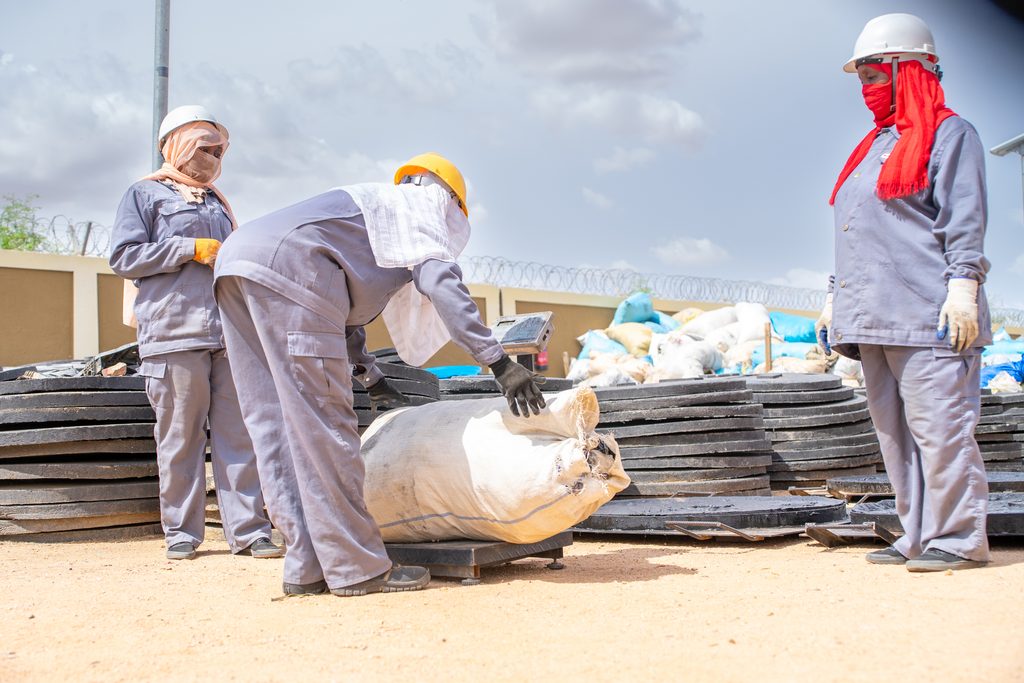
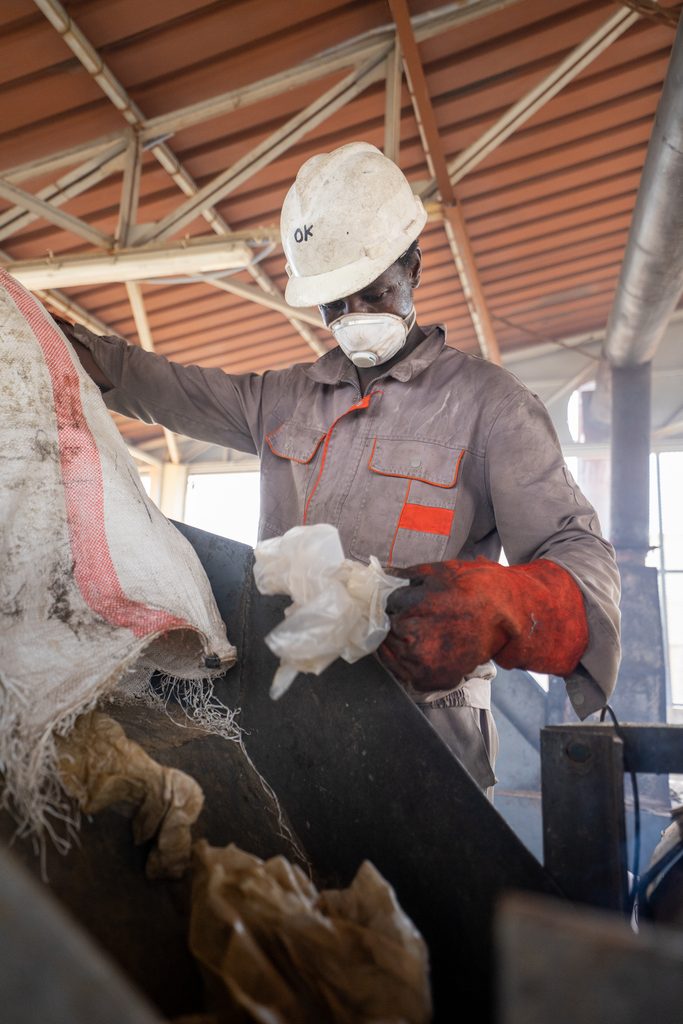
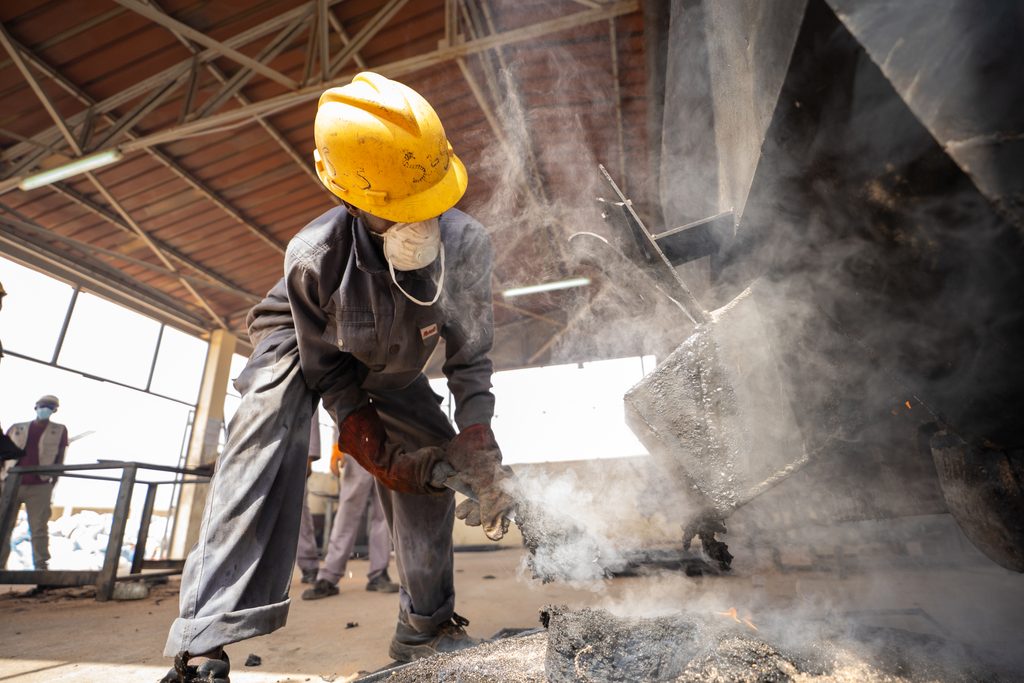
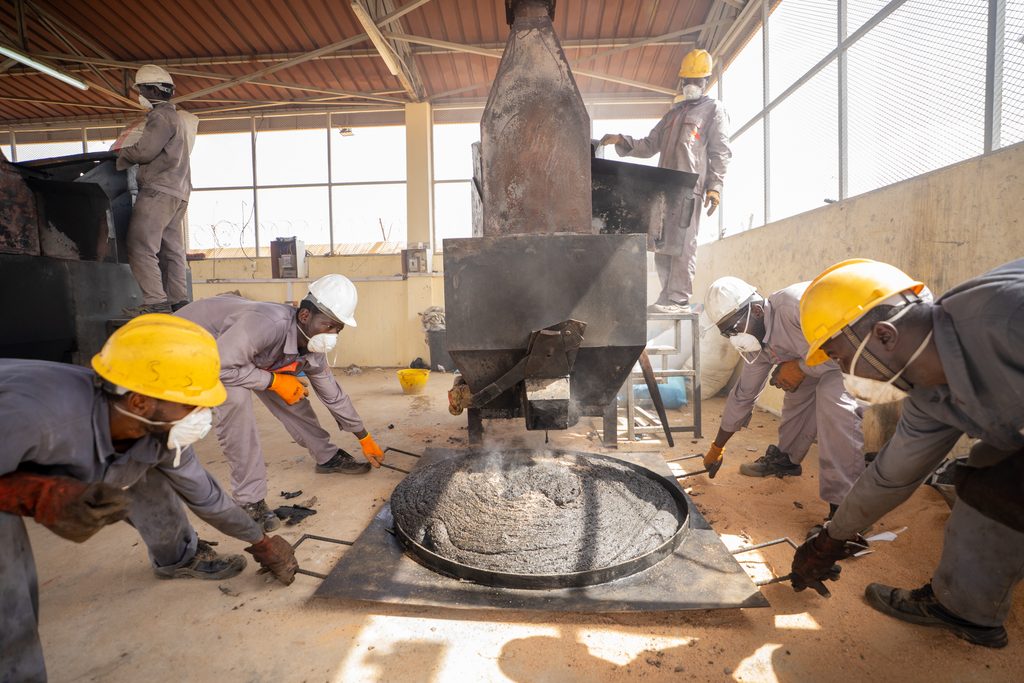
In a region hosting large numbers of refugees, pressure on resources, infrastructure and the environment is significant. Waste management is a daily challenge, as is access to livelihoods and essential services. The UTVD was created around a simple idea: waste can also be a resource.
Every day, women and men take part in collecting and sorting plastic waste. Once transported to the workshop, these materials are processed and transformed into latrine slabs that are used by local communities.
When discussing recycling, the focus is often on the materials being processed or the quantities recovered. Less attention is given to the people who make that transformation possible.
In the video below, collectors, operators and workers from the unit share their role in the recycling value chain. They explain how plastic waste is collected, sorted and processed, but also what this activity means in their daily lives.
Their stories are a reminder that the UTVD is, above all, a human endeavour. The unit brings together members of host communities and refugees who work side by side, learn new skills and contribute to an activity that benefits both their environment and their community.
Turning plastic into latrine slabs is only part of the story.
By reducing the amount of waste in the environment, the unit helps make neighbourhoods cleaner and safer. By locally manufacturing sanitation equipment, it contributes to improving living conditions. By creating jobs and generating income, it also helps families strengthen their self-reliance.
The unit also recovers other types of waste through the production of eco-friendly charcoal, providing an alternative energy source while reducing pressure on natural resources.
This combination of actions is what makes the project unique. A single activity contributes simultaneously to environmental protection, economic inclusion, social cohesion and access to essential services.
The objective is not simply to recycle waste or build infrastructure. It is also about transferring skills, creating opportunities and strengthening people’s capacities so they can shape their futures with greater independence.
In a context marked by the presence of refugee populations and significant needs in basic services, this approach also fosters dialogue and cooperation between host communities and refugees.
In Abéché, the transformation of plastic waste demonstrates how a local initiative can build connections, generate income, improve the environment and contribute to more dignified access to sanitation.
On the occasion of the European Week for Waste Reduction, we invite you to meet the people who bring the unit to life every day and follow the journey of waste transformed into a valuable resource.
About the Project
This project is implemented by the Red Cross Society of Chad and Luxembourg Red Cross International Aid, with the support of the European Union’s humanitarian aid operations and the Ministry of Foreign and European Affairs, Defence, Development Cooperation and Foreign Trade of Luxembourg.